

Coronavirus is changing the world in unprecedented ways. Subscribe here for a daily briefing on how this global crisis is affecting cities, technology, approaches to climate change, and the lives of vulnerable people.
By Emeline Wuilbercq
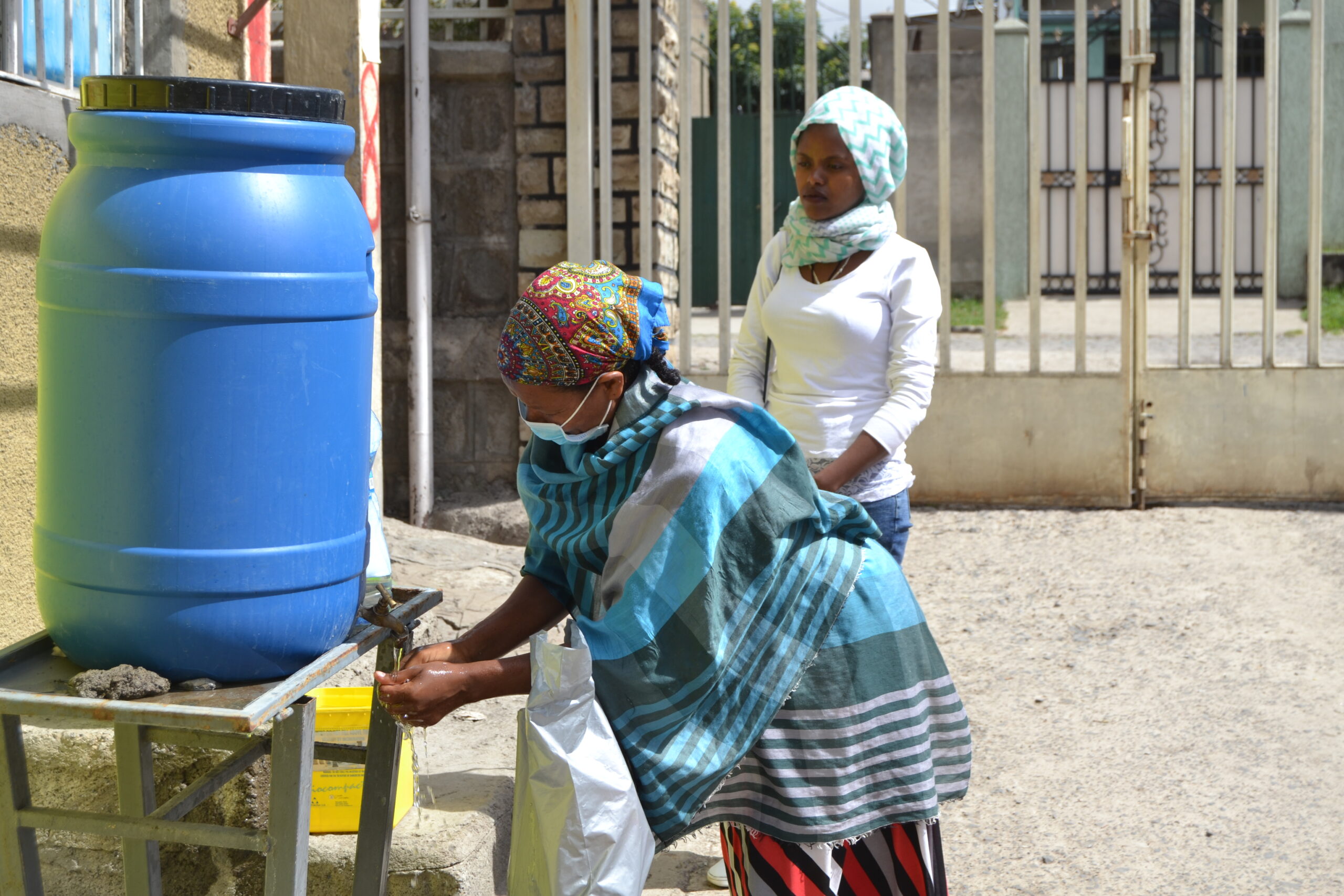
ADDIS ABABA, April 7 (Thomson Reuters Foundation) – Masks and hand washing may help stem the coronavirus outbreak but in Ethiopia health officials are busy deploying another key resource: women.
An army of community health workers – many of them women who in the 2000s helped reduce maternal mortality – are now trying to stop the disease spreading in the east African country.
In sprawling cities and remote villages this women-led workforce of 40,000 is tasked with improving hygiene, monitoring new cases, and dispelling myths about COVID-19 which has infected over 10,000 people in Africa.
Coronavirus: our latest stories
“The trust (these women) have built through the years will help us reach communities as early as possible,” said Temesgen Ayehu of Ethiopia’s health ministry.
Only 52 cases of the novel coronavirus have been detected in Ethiopia but experts are worried an outbreak could be hard to contain in the nation of 105 million where few people can access professional doctors or hospitals.
As concerns grow about how some of Africa’s most vulnerable will cope, these women health workers are stepping in.
Among them are newly-graduated students in their twenties and educated mothers who have experience teaching reproductive health to families.